How I work

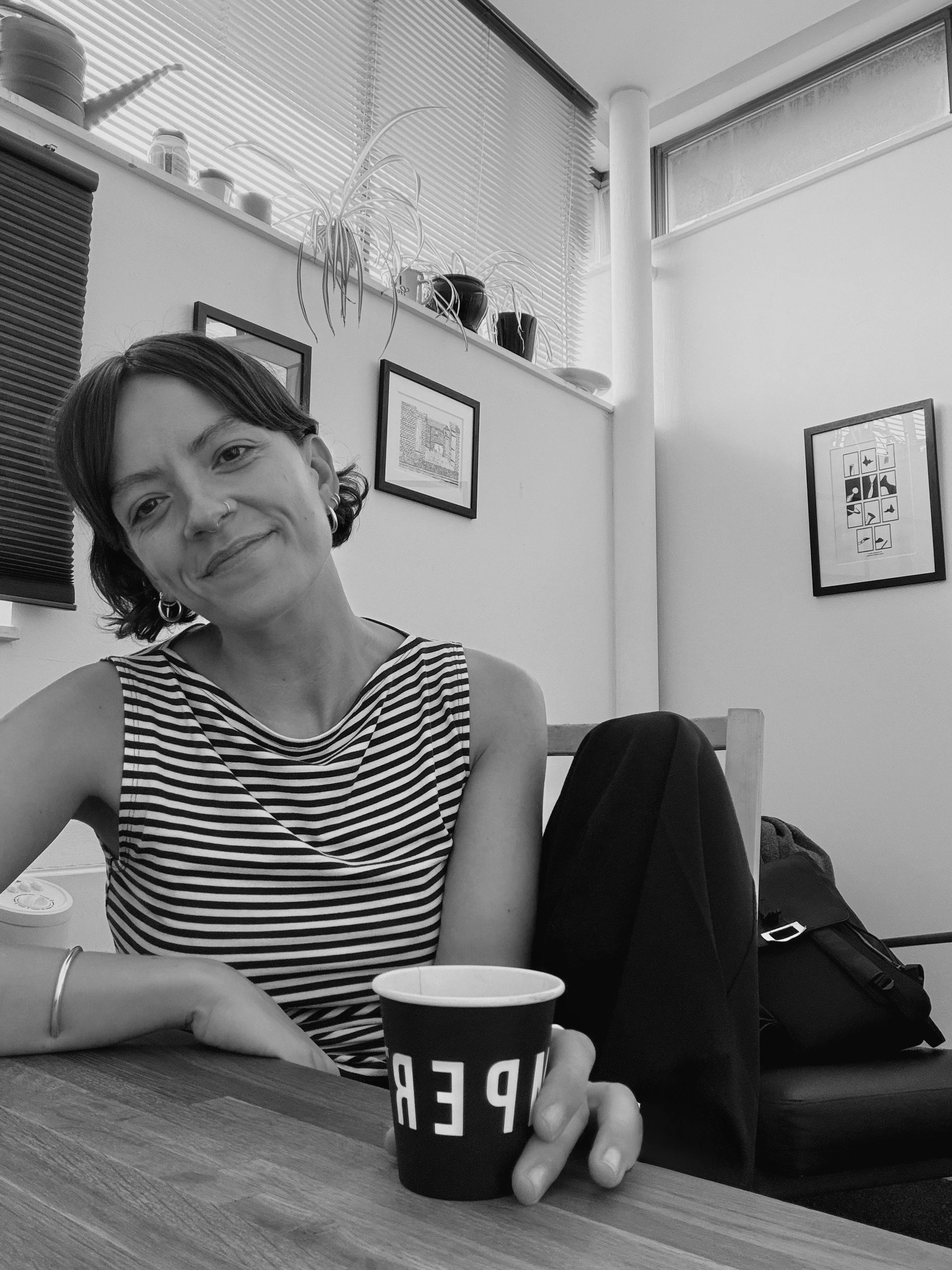
My approach is humanistic, rooted in person-centred therapy — which in practice means I follow your lead. You're the expert on your own life, and my job isn't to fix you or hand you a formula. It's to sit alongside you, really listen, and help you make sense of things in a way that feels meaningful to you.

Some sessions feel like a quiet exhale — just having space to speak and be heard. Others go deeper, unpicking old patterns, identifying your needs or exploring emotions that have been hard to sit with. There's no agenda other than what matters to you on any given day.


  • If you've spent most of your life making yourself smaller to keep the peace, tuning into everyone else's needs while quietly abandoning your own, you're not broken — you learned to survive. The fawn response is a deeply ingrained pattern where we become experts at managing other people's emotions, avoiding conflict, and morphing ourselves so that we feel safe in relationships. It can look like people-pleasing, swallowing anger or struggling to say no. Over time, this way of moving through the world can leave you feeling far from yourself, quietly resentful, and deeply lonely, even when surrounded by others.

    In our work together, we won't try to get rid of this part of you. It developed for a reason, and it has protected you. Instead, we'll gently explore what it's been carrying, and begin to shift your relationship to it — so it no longer has to work quite so hard. We'll work at a pace that feels manageable, starting with small, safe moments of honesty and self-expression, gradually building your tolerance for the discomfort that comes with being truly seen. You'll begin to notice what you're feeling, name it without judgement, and slowly learn that you can speak up and still be safe. That you can be uncomfortable and okay at the same time.

    This is less about becoming someone new, and more about uncovering who you've always been — beneath the accommodating, the over-giving, and the quiet self-erasure. A relationship with yourself, and with others, where you don't have to disappear to belong.

  • Within our work together, I offer a space that is genuinely affirming, not just in principle but in practice: free from assumption, free from the pressure to arrive at neat conclusions, and shaped around your own pace and language. Whether you are exploring your sexual orientation, gender identity, the intersection of both, or beginning to understand who you are beyond or outside of these aspects — including how you relate to others and form attachments — I will meet you with curiosity rather than judgement. I understand that identity is rarely linear, and that the LGBTQIA+ experience often carries layers of grief, joy, relief, and ambiguity all at once. My role is not to guide you toward a particular destination, but to walk alongside you as you find your own.

  • Self-esteem sits at the heart of much of my therapeutic work, particularly for clients navigating the aftermath of relationship breakdown or recovering from emotional abuse. These experiences share a common wound: a systematic erosion of the self, often so gradual that clients arrive in therapy unsure where the other person's narrative ends and their own sense of identity begins. I work using a person-centred and trauma-informed lens to help clients gently untangle that, rebuilding a relationship with themselves that is grounded in their own values, needs, and worth — rather than in how they were seen or treated. I am particularly passionate about this area due to my own lived experience of having narcissistic parents, which informs both my understanding of how deeply these patterns can root themselves, and my genuine belief in the possibility of recovery and reclaimed selfhood.

I don't think therapy has to be heavy or clinical. It can also be curious, freeing and we’ll even have moments where we’ll laugh together — and I try to bring that warmth into every session.

Training and Experience


I hold a Professional Level 4 Diploma in Counselling Practice and I am a registered member of the BACP (British Association for
Counselling and Psychotherapy), member number 409790.

Alongside my private practice, I work with Sheffield Mind (since 2023) supporting adults with an array of challenges.

As a queer therapist, GSRD affirming practice isn't just a box I tick — it's something I am genuinely passionate about. I want every person who works with me to feel that who they are is not just accepted, but truly welcomed.

I am dedicated to ongoing professional development in line with my ethical body's requirements, with additional specialist training in somatic work, attachment wounds, burnout, and IFS parts work — ensuring I bring the most current and holistic approaches to my practice.

A lot of people come to therapy not quite knowing where to start. Maybe something feels off but you can't quite name it. Maybe you've been holding things together for so long that you're not sure what "okay" even feels like anymore. Maybe you just know you don't want to keep feeling the way you do.

That's more than enough of a reason to reach out.

I work with people experiencing all kinds of things — anxiety, low mood, self-doubt, relationship difficulties, grief, burnout, identity exploration, trauma, neurodiversity, and so much more. Whatever's brought you here, I won't ask you to come with the right words or a tidy explanation. We'll find our way into it together, gently and at your pace.


I can help with:

This isn’t a complete list, so if you’re unsure whether I work with something not mentioned here, feel free to get in touch

  • Anxiety/ stress

  • Adult or Childhood Trauma

  • Attachment (such as people-pleasing tendencies)

  • Anger Issues

  • Bereavement

  • Depression

  • Employment issues

  • Increase in existing MH problems

  • Improving wellbeing

  • Neurodiversity

  • Relationship Breakdown/difficulty

  • Self esteem

  • Family difficulties and attachment wounds

  • Abuse and emotional trauma (including narcissistic abuse)

  • Identity and LGBTQIA+ exploration

  • OCD

  • Self-harm and emotional overwhelm